
The galaxy was not just imagined.
It was crafted with devotion.
Even the flawed prequels carried sincerity.
The Expanded Universe was tended by writers who believed in the world they were shaping —
from the Thrawn Trilogy naming Coruscant and expanding the myth,
to KOTOR offering the most thoughtful meditations on the Force and the Jedi,
to the horror novels that bent the galaxy into survival terror while still speaking the old language of shadow, corruption, and resilience.
The grammar was mythic:
- Heroes earned their arcs.
- Mentors passed the legacy.
- Lineage mattered, even when it was messy.
You could feel the affection, even when the execution faltered.
You could feel the devotion, even when the stories stumbled.
The old galaxy was built by people who believed in it.
That belief made it luminous.
And the fans built, too.
CGI battles rendered on home machines that groaned under the weight of their ambition.
Stories written with reverence,
and others that bent the myth with humour —
because affection and irreverence were never opposites in a living world.
Some fan works became legends in their own right.
Troops, with its deadpan documentary grit,
proved the galaxy was strong enough to survive parody —
because parody made with affection is just another form of devotion.
The Star Wars Gangsta Rap remixed the myth into rhyme,
irreverent but never careless,
a joke built on knowledge,
a parody built on love.
Even the official parodies carried that same devotion.
Robot Chicken didn’t mock the galaxy from the outside —
it played inside it,
jokes that only worked because the creators knew the myth so well
they could tilt it without shattering it.
And not forgetting the fan remasterings, the recuts, the restorations —
all those quiet acts of care.
People polishing frames they didn’t own,
cleaning audio they didn’t record,
re‑cutting stories they had no obligation to tend.
Not to replace the originals,
but to keep the galaxy bright.
And before the official LEGO sets existed,
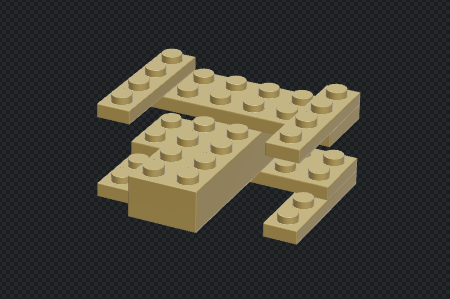
fans — children — built the galaxy from whatever bricks they had.
Star Destroyers balanced on kitchen tables,
X‑wings shaped from mismatched colours,
starfighters built from whatever pieces sort of fit from different sets.
I did that too — not masterfully,
only with a child’s skills and a child’s resources.
A motorcyclist minifig standing in for Luke because he had a helmet.
A policeman pressed into service as Vader because he wore black.
The myth filled in every gap.
Our imaginations did the rest.
And now my child does the same.
I’ve never bought him any Star Wars LEGO,
but he still built X‑Wings and Star Destroyers from assorted pieces anyway —
the galaxy refusing to stay unmade.
The old galaxy was luminous because it was held by many hands.
Authors, designers, programmers, illustrators —
and the fans who kept the constellations bright between official stars.
Belief made it luminous.
Shared belief made it endure.
Leave a Reply